Reviewed · TOURS
Hidden Funchal: Stories & Secrets Tour
Hidden Funchal works because it does not just point at famous spots. You get the why behind them, from French raids to British families and cloistered nuns, all threaded through quiet streets. I especially like the small-group pace (guides such as Len, Sabrin, Daniel, and Laura are praised for not rushing you). I also love the viewpoint moments that break up the walking, including Quinta das Cruzes. One possible drawback: the route has cobbled streets and some inclines, so it may be tough if you have limited mobility.
The other big reason to book is the mission. This is delivered through the University of Madeira’s Madeiran Heritage programme, by students and volunteers, and your ticket helps fund educational outreach and support for university students in need.
Quick reasons to go
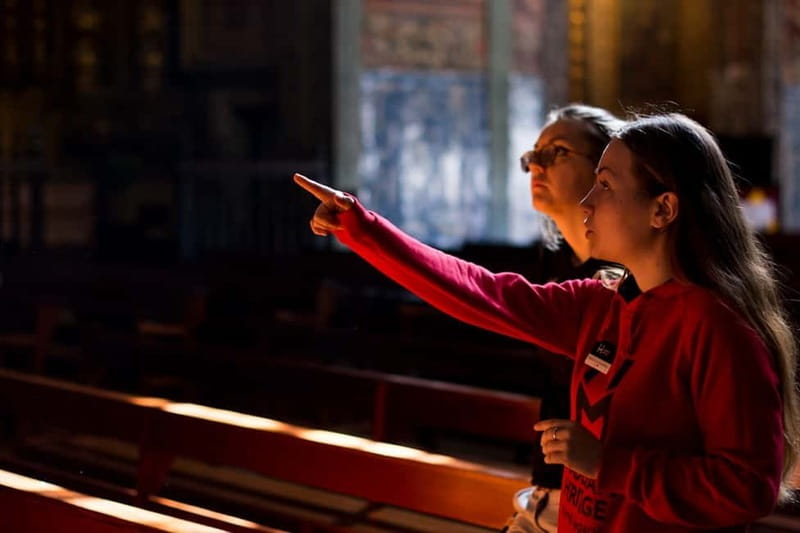
- University-led guides: students and volunteers trained through a programme linked to the University of Madeira
- Stories you likely miss on your own: nobles, nuns, explorers, and foreign settlers tied to specific buildings
- English neighbourhood highlights: the English Church and the British families who shaped parts of Funchal
- Santa Clara Monastery and queijadas: a monastery stop with stories of royals and cake lore
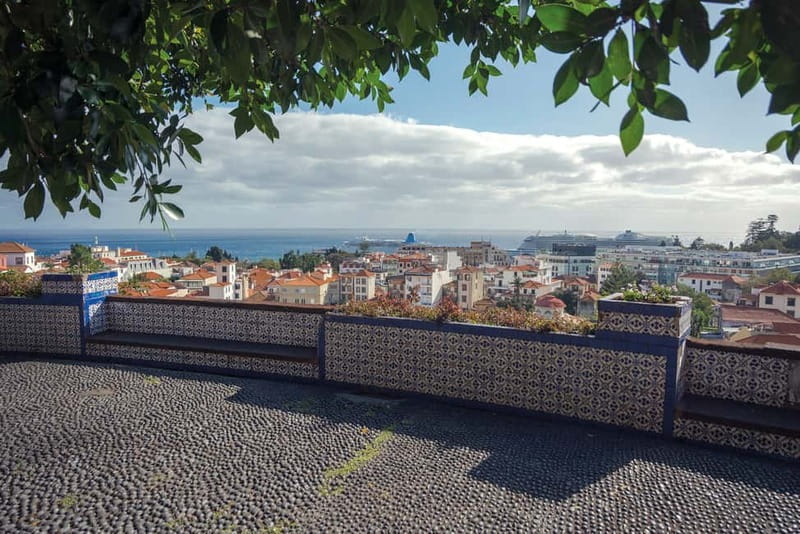
- Quinta das Cruzes viewpoint: panoramic views near the legacy of João Gonçalves Zarco
- Paced walking, time for questions: reviews repeatedly mention guides taking extra time without making you feel rushed
Starting at Jesuits’ College, where Funchal’s story begins
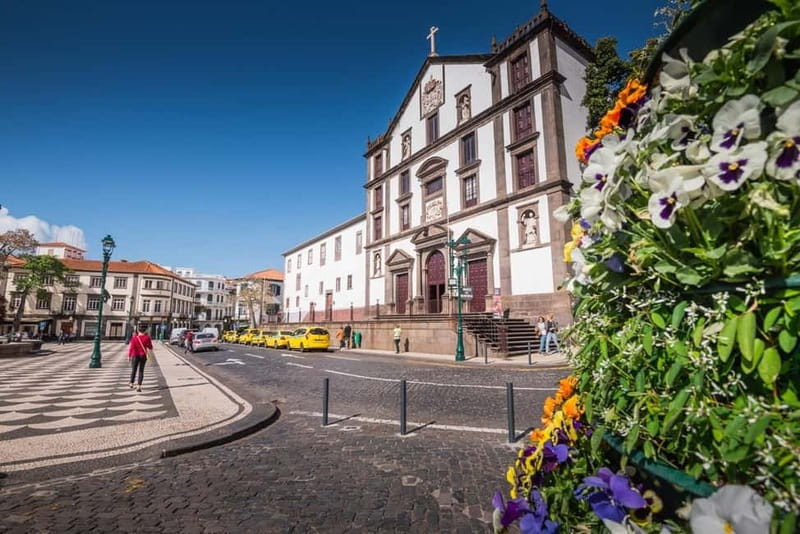
Your tour begins at the Jesuits’ College of Funchal, part of the University of Madeira, by D’Oliveiras Madeira Wine on Rua dos Ferreiros. The meeting point is on the street, by the university entrance with the glass doors, not inside the church itself.
This matters because the setting is a neat reminder that Funchal’s “old town” is not just churches and walls. It is institutions, education, and power networks that reached far beyond Madeira. Even before you hit the first side streets, you’re in the middle of the city’s long timeline.
Other Madeira trips worth an open tab:
- From Funchal: Ecological Catamaran Dolphin Whale Watching
★ 4.5 · 5,771 reviews - Madeira: Skywalk, Porto Moniz, Seixal, and Fanal 4WD Tour
★ 4.9 · 5,732 reviews - Funchal: Dolphin and Whale Watching Catamaran Cruise
★ 4.5 · 5,697 reviews
The 1566 French attack: setting the drama before the charming streets
Early on, you hear about the French attack of 1566. It is the kind of event that turns background history into something you can picture, because it explains why certain communities, buildings, and strategies mattered. You are not stuck with dry dates. You get context, and the guide connects it to what you’ll see as you walk.
This is a smart approach. If you start a history tour with a mood, the rest of the stops make more sense. You will likely find yourself noticing details you would otherwise walk past, like how architecture and locations reflect priorities from centuries ago.
The English neighbourhood and the British fingerprints on Madeira
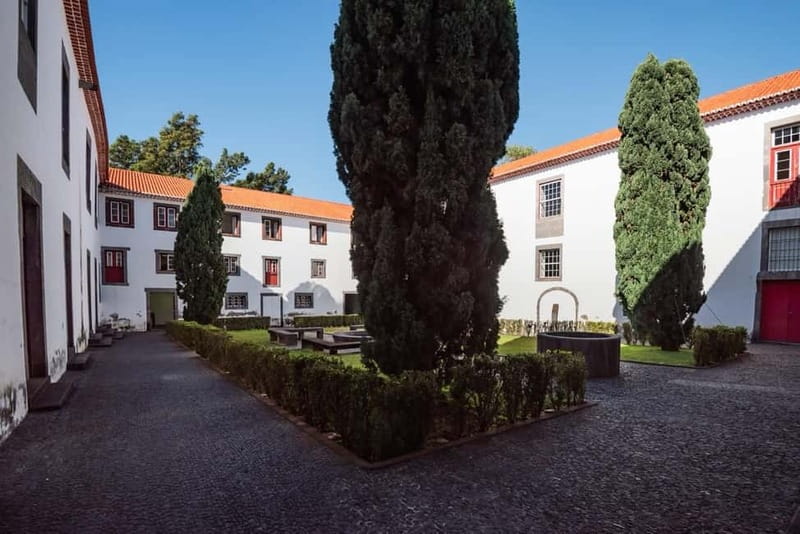
One of the tour’s most distinctive threads is the English presence in Funchal. You move through the English neighbourhood and hear how British families helped shape Madeira’s identity across the centuries. The guide frames it like a human story, not a postcard.
The highlight here is the English Church. Even if you have no religious interest, it is a powerful reminder of how a small island could attract international communities. You’ll also admire manor houses built by Madeiran elites, which helps you understand what “local power” looked like in everyday life, not just in official records.
A small note based on what people have said: some visitors were hoping to go inside the English Church but did not. If interior access is important to you, you might want to ask at the start of the tour what the plan will be for that stop.
Manor houses, noble churches, and the quieter side of Funchal
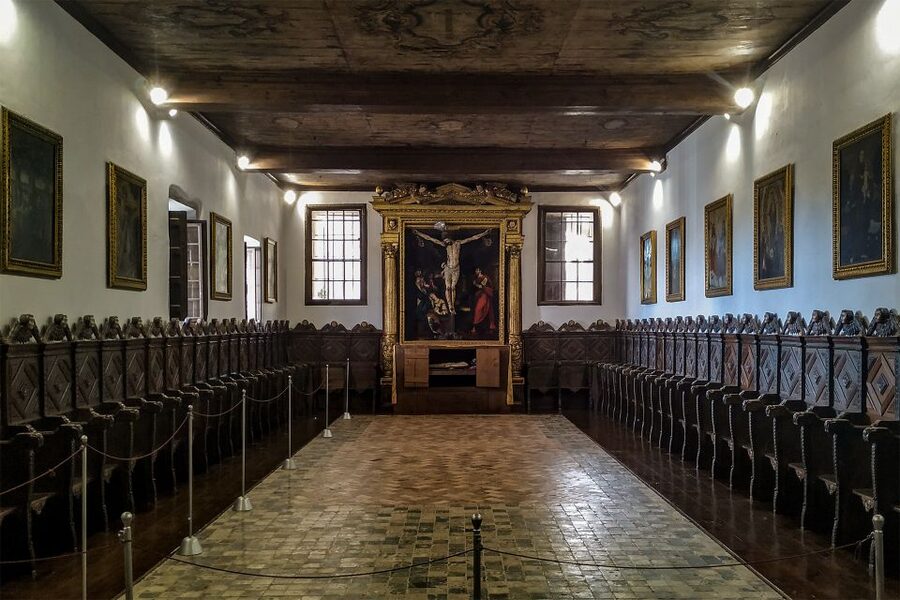
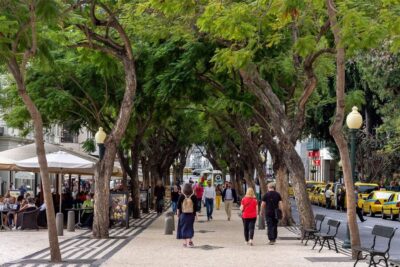
Between the bigger landmarks, the tour shines in the in-between sections. You pass through quiet backstreets and historic districts that most “main sights” walks tend to skip. The stops are chosen for stories, not only for pretty facades.
You’ll see churches built by noble families, and you’ll hear how families left marks that lasted. That is the key takeaway. In Funchal, power often shows up as stone and layout, not speeches. The guide helps you spot that link quickly.
The feel here is practical: you are walking, yes, but you are also learning how to read the town. By the time you reach the next viewpoint, you’ll understand why that street turns the way it does, and why certain buildings were placed where they are.
Same island, a different kind of day:
- Funchal: Enchanted Terraces, Porto do Moniz & Fanal 4WD Tour
★ 4.8 · 4,930 reviews - From Funchal: Best of Madeira’s West Tour
★ 4.7 · 3,463 reviews - Madeira: Best of the East Tour from Funchal
★ 4.7 · 3,364 reviews - Funchal: Old Town Walking Tour
★ 4.7 · 3,233 reviews
Santa Clara Monastery: nuns, royals, and the queijadas story
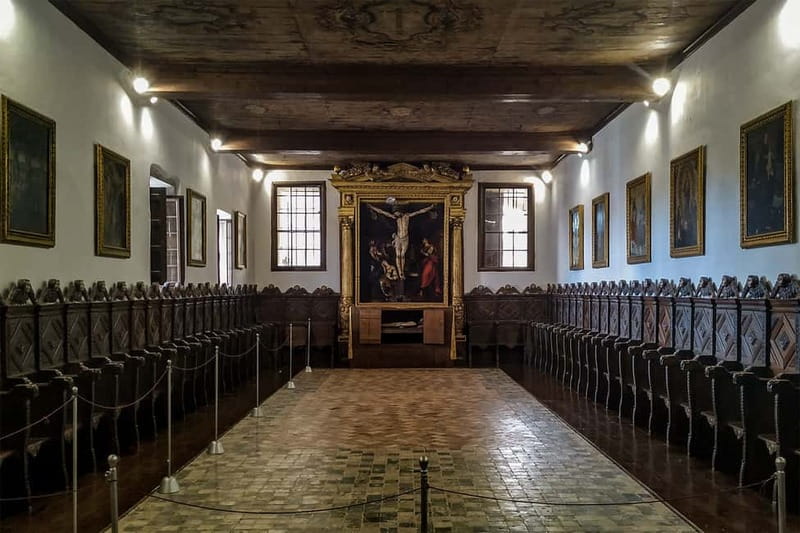
Then you reach Santa Clara Monastery, where the stories get wonderfully surprising. You hear about cloistered nuns and how the site became a notable visitor attraction over time. And you also learn about royal visitors who came for tastes of the island’s famous cakes, queijadas.
This stop works for two reasons. First, it shows the monastery as more than a static landmark. Second, it connects the spiritual world to everyday tourism culture through food and tradition. It is the kind of detail that makes you remember a place for its human pull, not just its architecture.
You also spend time picking up the “layering” of the city. The guide points out architectural cues tied to the nuns, the visitors, and the legacy of earlier eras. Even if you are not a history buff, the story rhythm keeps it moving.
Quinta das Cruzes viewpoint and João Gonçalves Zarco’s legacy
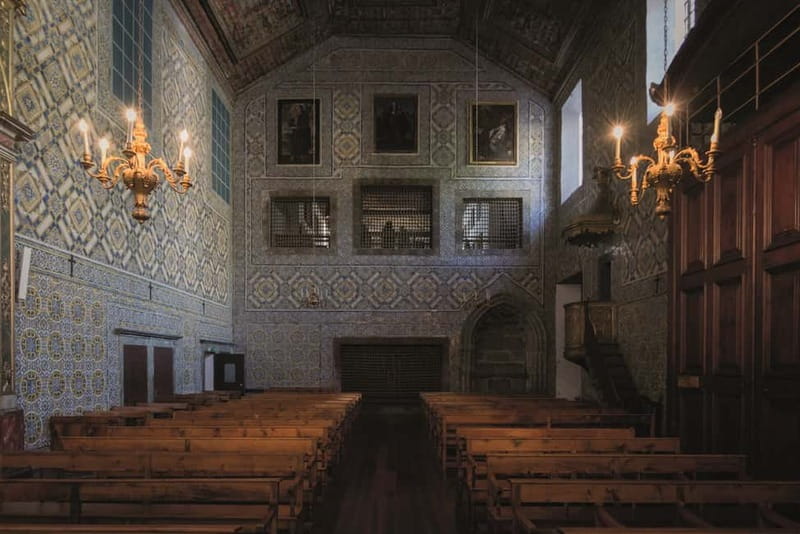
Panorama time usually hits when your legs are ready for a breather. The tour includes panoramic views from Quinta das Cruzes viewpoint, near the former home of João Gonçalves Zarco. He was the naval captain linked to the early settlement of the island in the name of the Portuguese king in the 15th century.
This is a great pairing: you see the view, then you get the origin story. It helps you connect Funchal’s later development with its earlier “why.” The guide helps you understand the island’s first chapters and how the narrative traveled from the coast to the city.
If you like viewpoints because they give you orientation fast, this one does the job. You’ll likely leave with a clearer mental map of where neighborhoods sit and how the hills shape movement.
How the 2-hour walk really feels: pace, groups, and cobbles
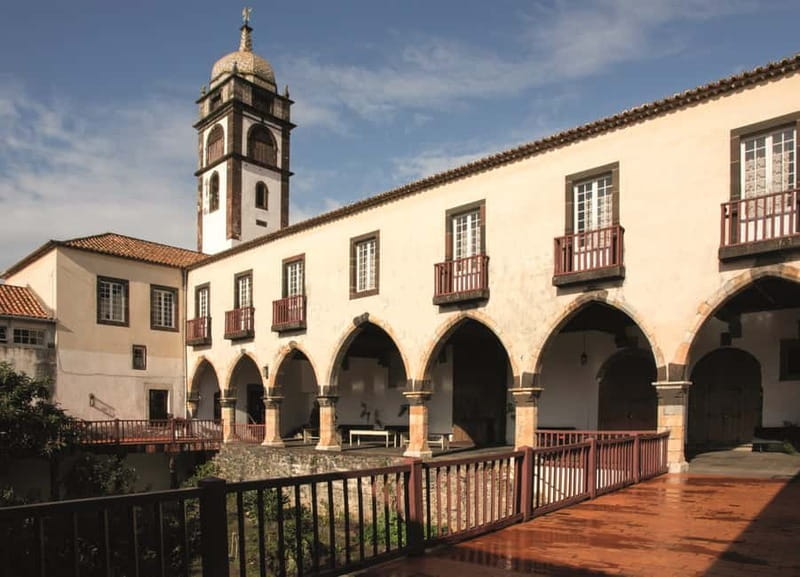
The tour is designed as a 2-hour guided walking tour. In practice, that means you get a sequence of stops without it feeling like an all-day history marathon. Reviews consistently praise the guides for keeping a nice pace and not rushing, and several people specifically call out that groups were small, sometimes as small as two.
Still, plan for real walking. The route includes cobbled streets and slight inclines. It is also worth noting that while wheelchair access is listed, the cobbles and slopes can be a limiting factor for those with restricted mobility.
My practical advice: wear shoes you can trust on uneven stone. And if you’re the type who stops to take photos, do it early in the tour. That way, you don’t end up sprinting to catch up later.
Why this tour costs about $17 and feels like good value
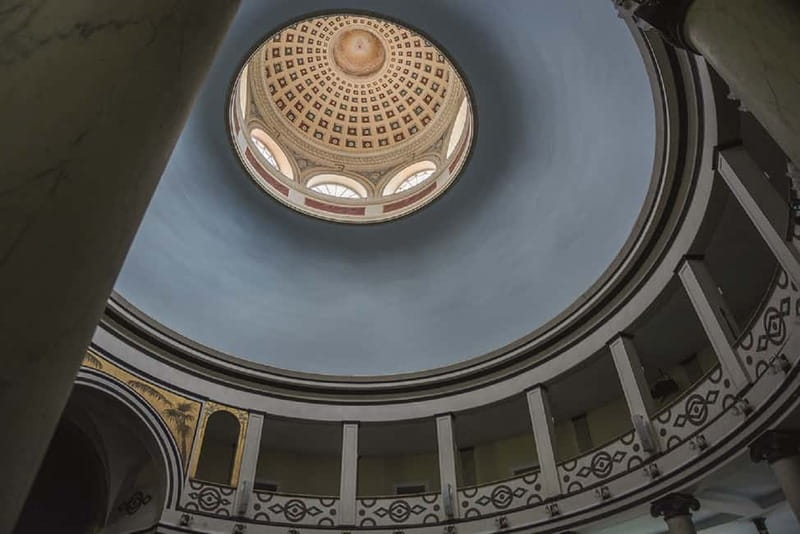
At around $17 per person, the value comes from more than the ticket price. You get a live guide, a tightly packed 2-hour route, and a set of stops that are aimed at the stories behind the city, not just the obvious sights.
You are also paying for a teaching and support model. This experience is part of the Madeiran Heritage programme developed at the University of Madeira. It is delivered by students and volunteers, and proceeds fund free educational visits for schools across the region and support social programmes for needy university students.
That makes the money feel less abstract. You are not just buying entertainment. You’re backing a local effort that connects heritage, training, and community support. If you care about value in a practical sense, this is one of those tours where the ticket feels aligned with the outcome.
The guides are the main character
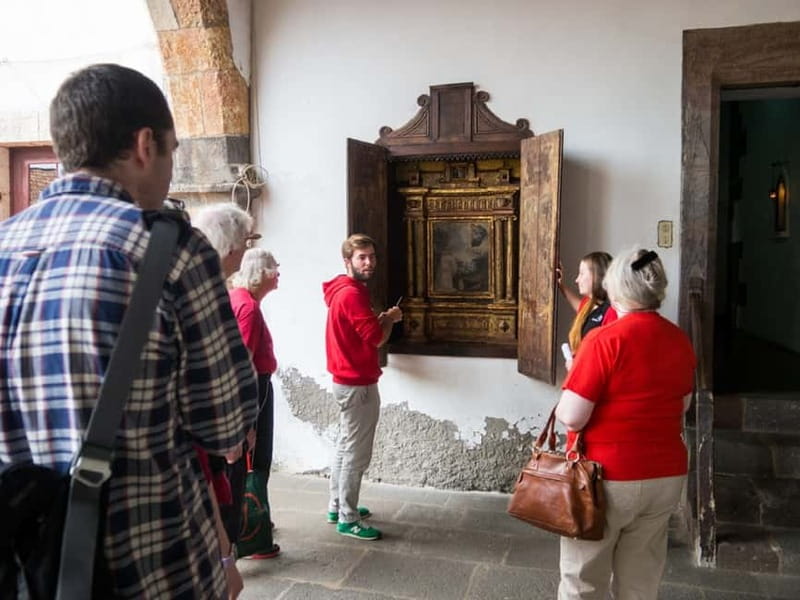
A big theme in the feedback is how guides handle questions and how they keep the tone friendly. People highlight guides like Len and Sabrin for strong historical storytelling and helpful guidance around town. Others mention Daniel as friendly and well informed, and Hannah for a lively, fascinating approach that made the learning feel easy to follow.
You’ll also hear names like Louise, Julia, and Laura, each credited with pacing that works and plenty of time to talk. One fun detail: people appreciated guides who allowed wandering a little for photos and flowers, without turning the tour into chaos.
So yes, you’re there for Funchal. But you’re also there for how someone translates the place into a story you actually remember.
Who should book, and who might prefer a different plan
This tour is ideal if you want a guided walk that helps you connect dots across centuries. It is also a strong choice if you prefer quieter streets and lesser-seen stops over a checklist of top landmarks. If you like history but get impatient with lectures, this format usually works because it is built around real locations and short story stops.
You should think twice if you struggle with cobblestones or hills, or if you cannot walk for two hours at a moderate pace. And if you specifically want inside access to every church stop, you may want to clarify expectations at the meeting point, since not every group experiences the same level of interior time.
Should you book Hidden Funchal: Stories & Secrets Tour?
If you have only part of a day in Funchal and want to understand the city beyond the main strip, I’d book it. You get a tight 2-hour route, strong guide-led storytelling, and viewpoints that help you orient fast.
Add in the university-linked social mission, and it becomes one of those practical, feel-good activities that does something beyond your vacation photos. Just bring solid shoes, and expect a walking route with cobbles and gentle climbs.
FAQ
Where does the tour start?
The meeting point is the Jesuits’ College of Funchal, University of Madeira, next to D’Oliveiras Madeira Wine on Rua dos Ferreiros in the city centre. Look for the glass doors and the University of Madeira signage at the university entrance on the street.
What time should I arrive?
Arrive 10 minutes before the scheduled start time.
How long is the walking tour?
It lasts about 2 hours.
Is the tour in English?
Yes. The live guide speaks English.
Is it wheelchair accessible?
Wheelchair access is listed, but the route includes cobbled streets and slight inclines, so it may not be suitable for guests with limited mobility.
What should I bring?
Bring comfortable shoes. It is also smart to pack sun protection or rain gear depending on the weather.
Is food included?
No. Food and drinks are not included.
Are pets allowed?
No pets are allowed on the tour.
Can I take luggage or large bags?
No luggage or large bags are allowed.
Who is it suitable for?
It is suitable for children aged 10+. Younger children are welcome with supervision.
Recently added around Madeira
- Toboggan Ride & Madeira Wine Tasting Tour★ 2.8 · 4 reviews
- Surf lesson in Madeira★ 4.8 · 55 reviews
- Madeira : Surfing Experience for all★ 4.8 · 36 reviews
- Sunset Tour @ Pico Do Areiro | Half Day 4×4 Tour★ 4.7 · 3 reviews
- South Madeira: breathtaking coastal trip incl. Porto Moniz.★ 4.7 · 19 reviews
- Madeira Island: Southwest Tour★ 4.4 · 12 reviews
- Southwest Madeira: Half-Day Cabriolet Jeep Adventure★ 5.0 · 4 reviews
- Madeira: Signature Wine Tasting, Skywalk & Nature Expedition★ 4.7 · 49 reviews
Tours, compared.

Skywalk, Porto Moniz, Seixal, and Fanal 4WD Tour
Read our review →
Enchanted Terraces, Porto do Moniz & Fanal 4WD Tour
Read our review →


West Madeira Waterfalls and Fanal Forest Tour
Read our review →
All Inclusive Whale and Dolphin Watching Luxury Tour
Read our review →