Reviewed · SCUBA DIVING
Madeira: Open Water Diver First Certification Course
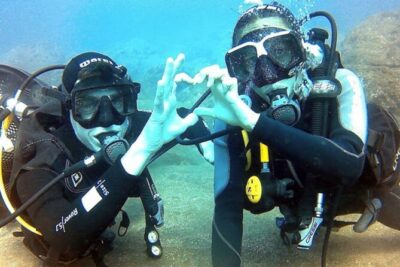
If you’ve ever looked at the clear water around Madeira and thought I want to do this the right way, this Open Water Diver first-certification course is a smart, structured path. It mixes e-learning (so you can study on your schedule) with hands-on practice in a pool and then 4 training sessions in open water with an instructor right beside you.
What I like most is how much you train before you ever go out. You build comfort with the gear in controlled conditions, with practice mini skills that focus on real safety habits, not just getting underwater. I also like that the group stays small, max 4 people, so you get time for questions and you do not feel like you are being rushed.
One drawback to consider: this is not a casual experience. You must be able to swim and be medically fit for diving, and the course is also not suitable for people with certain health or comfort issues such as claustrophobia. If you have any doubts, it’s worth checking your situation early.
Quick Takeaways From the Course
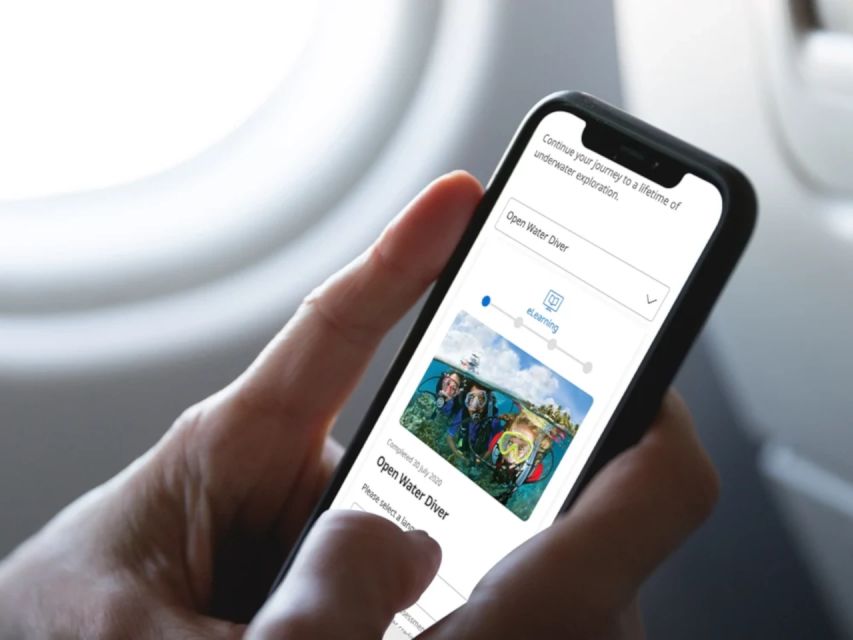
- E-learning included: plan on 5 to 10 hours so you can learn scuba terminology at your pace.
- Small group of 4: more instructor attention during pool practice and open-water sessions.
- Pool mini practices first: you get comfortable with the gear before you go into the sea.
- 4 open-water training sessions: supported step by step, with shallow expected training depths.
- Worldwide Open Water diver certification: lets you dive with a buddy up to 18 m / 60 ft after you qualify.
- All scuba equipment included: you only need to bring swimwear.
Madeira and a First Certification: Why This Makes Sense
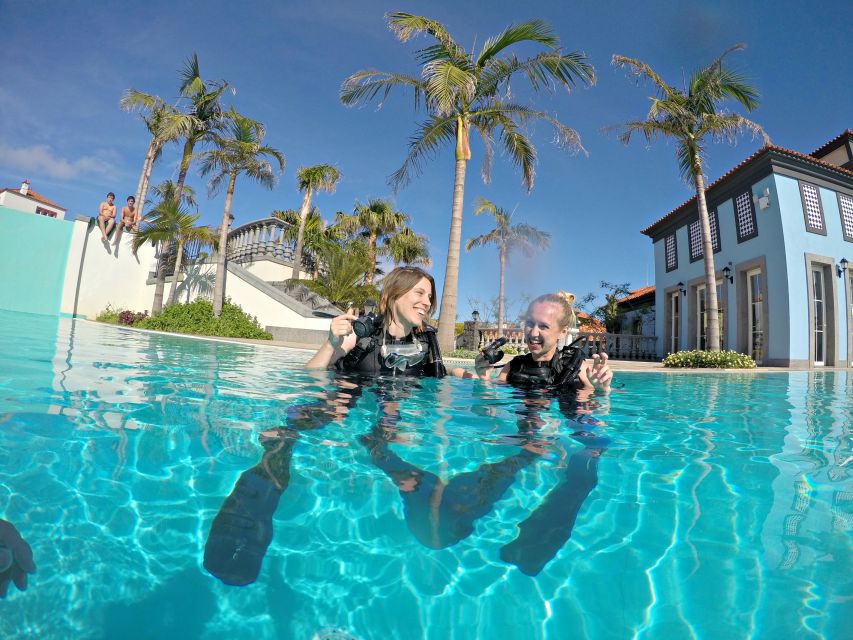
Madeira is not just a pretty place to take photos above the water. It is a practical training location because your course is designed around learning core skills safely, then applying them in real open water. That matters. Your first certification should feel like skill-building, not like a test where you hope for the best.
This course is also a good fit for modern schedules. You can do theory online or offline through the included e-learning materials. That means you are not stuck cramming book work into a short weekend. You arrive having already learned the basic concepts, so your instructor time can focus on the part that actually changes your body and your confidence underwater.
And the small group size is a real value lever. In a class capped at 4 participants, you spend more time getting coached on what matters for you personally, like how to manage your breathing, buoyancy control, and gear basics.
More dives around Madeira:
- Funchal: Scuba Diving Experience for Beginners
★ 4.9 · 715 reviews - Porto Moniz: Diving with Sharks and Rays in Madeira Aquarium
★ 4.9 · 192 reviews - Funchal: Certified Scuba Diving, Guided Tour
★ 4.8 · 34 reviews
The 3-Day Flow: Study at Your Pace, Then Practice, Then Apply
Over three days, you move from learning concepts to building muscle memory, then to real open water training. The course is built to keep the stress level steady, with support at every stage.
Here is the flow you should expect in plain terms:
1) Theory and terminology with e-learning
You study scuba principles and vocabulary using the provided e-learning kit. The time commitment is listed at 5 to 10 hours total. You can do this offline on a computer or on a mobile device, and you can message your instructor with questions during the process.
2) Pool sessions to build control
Once you are in Madeira for the practical part, you practice in a swimming pool. This is where you learn basic scuba skills with hands-on coaching. You run through targeted practice mini dives, meaning short skill reps that help you build confidence without the added variables of sea conditions.
3) 4 open-water training sessions with instructor support
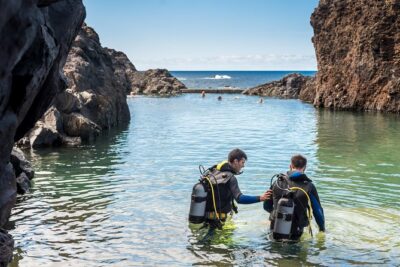
When you are ready, you make 4 training sessions in the sea with your instructor supporting you every step of the way. Your expected depth is shallow, and the course follows a maximum allowed depth of 18 m / 60 ft.
The nice part is that you are not jumping straight into open water as a brand-new diver. You earn the right to go there by getting comfortable with the gear first.
E-learning Setup: How to Use It Well (So You Actually Feel Ready)
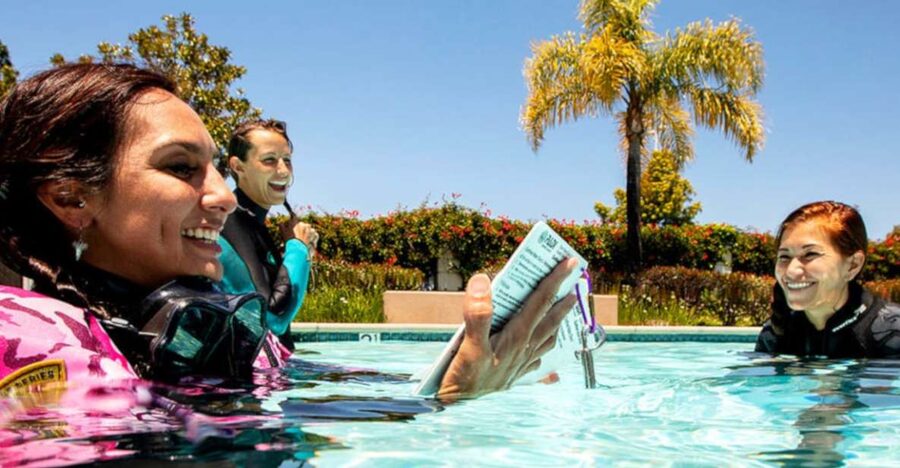
The e-learning component is listed as 5 to 10 hours. That wide range is your hint: you can move fast if you like studying, or go slower if you prefer to understand each concept before you move on. Either way, you want to avoid one common first-course mistake: rushing theory and then spending pool time trying to remember definitions instead of practicing skills.
My practical advice is to treat e-learning like pre-training, not homework you “get out of the way”:
- Do the terminology portion first, so key words stop sounding unfamiliar.
- Pay attention to principles related to breathing, buoyancy, and safe procedures.
- Write down your questions as you go, then ask the instructor when you meet them.
You can usually study whenever it fits your life. And if you request the digital kit before the course starts, you get more flexibility. The kit is described as not refundable once provided, so plan your timing carefully.
Pool Training: Where Confidence Gets Built, Not Tested
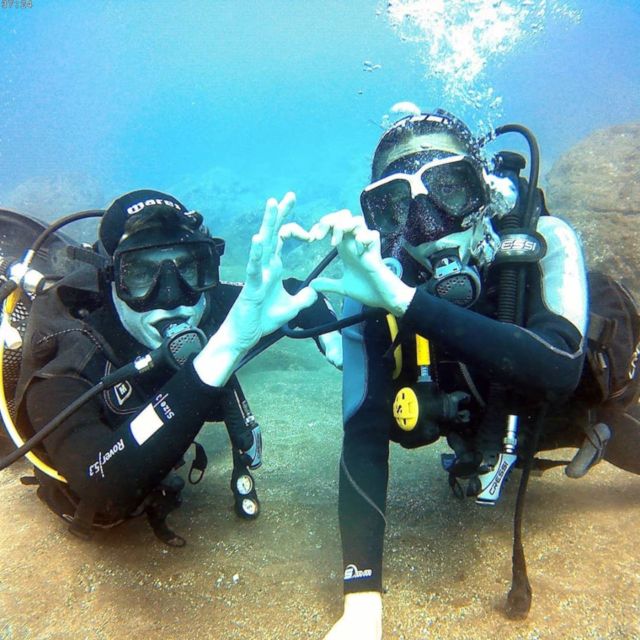
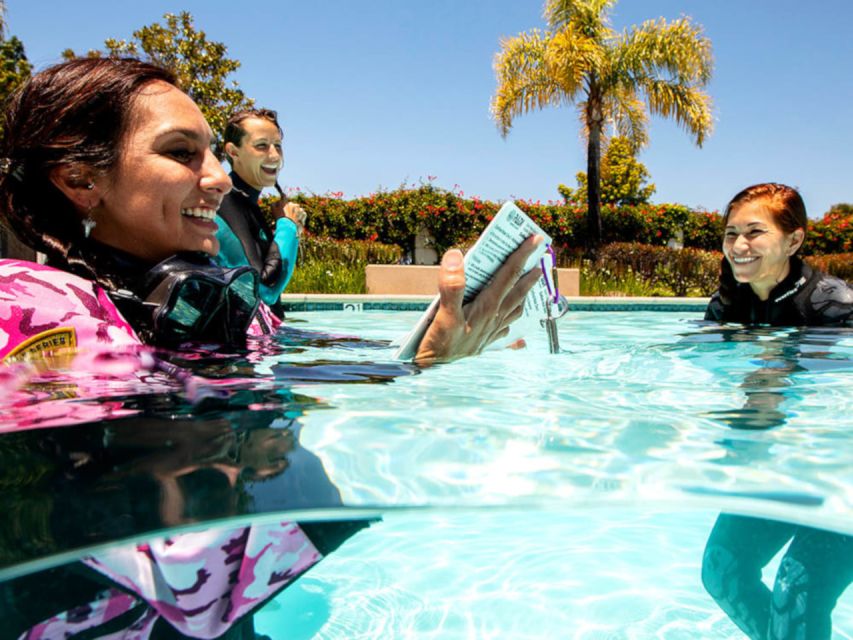
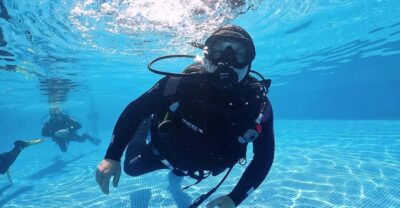
The pool portion is the heart of why this course feels manageable. You practice using complete scuba gear in a controlled environment, which means you can focus on technique.
You will be learning and repeating basic skills until they start to feel automatic. The course also includes practice “mini dives” to build confidence. That wording is important. Instead of one long, intimidating session, you typically get shorter skill reps that let you correct mistakes while your body is still relaxed.
What I like about a pool-first approach is how quickly it reduces fear. Fear makes people tense up. Tension makes breathing harder and buoyancy control messier. By the time you reach open water, you are not starting from zero.
A quick note: you only need to bring swimwear. That means you can keep your packing simple and focus on being comfortable and ready to move.
Same island, a different kind of day:
- From Funchal: Ecological Catamaran Dolphin Whale Watching
★ 4.5 · 5,771 reviews - Madeira: Skywalk, Porto Moniz, Seixal, and Fanal 4WD Tour
★ 4.9 · 5,732 reviews - Funchal: Dolphin and Whale Watching Catamaran Cruise
★ 4.5 · 5,697 reviews - Funchal: Enchanted Terraces, Porto do Moniz & Fanal 4WD Tour
★ 4.8 · 4,930 reviews
The Open Water Stage Around Madeira: What You’ll Be Working On
Once you move to the sea, the training focus shifts from “can I handle the gear” to “can I use the gear while staying calm and following procedures.” You make 4 open-water training sessions, supported by your instructor.
Depth expectations are clear:
- Expect shallow training around 12 m / 40 ft.
- The maximum allowed depth is 18 m / 60 ft.
So you are not being asked to go far or deep as a beginner. Instead, you are learning how to operate with a buddy mindset. In other words, you learn to stay aware, control your breathing, and respond to coaching in real time.
Also, the course is set up for your safety. If you are not comfortable, you are not pushed to “tough it out.” The instructor support is part of the design, and the small group means your instructor can keep eyes on what you need.
If you like the idea of seeing Madeira’s water for real, this is the moment when the course turns from classroom learning into an experience you can remember. You are out there, moving through the environment, while practicing the skills that matter for future trips.
Certification Value: What You Get After the Course
At the end, you receive a worldwide-recognized Open Water diver certification. That matters because it is not just a one-off lesson. It entitles you to take part in dives with a scuba buddy up to a maximum depth of 18 meters / 60 feet worldwide.
The certification is bundled with the course, along with teaching materials and the complete scuba equipment you need during training. You also get scuba insurance included through the course (provided by the stated insurance partner).
This is where the price starts to make sense. A first certification often costs more than a casual taster session because you are buying:
- instructor time across theory, pool practice, and open water sessions,
- equipment access,
- insurance coverage tied to the training,
- and the paperwork that opens doors internationally after you finish.
Price and What $495 Actually Covers
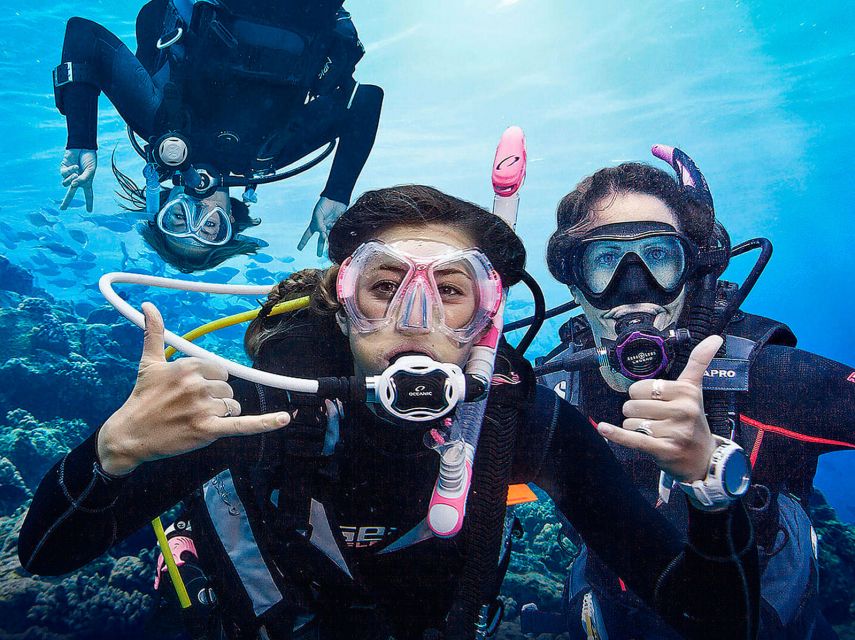
The course price is $495 per person for 3 days. Food and drinks are not included, so plan that budget separately. Everything else you need for the training is included, including complete gear and the course components: theory lessons, pool training sessions, and 4 sea training sessions.
Is $495 a good deal? For a first certification, it can be. You are not paying extra for basic essentials like equipment and instruction across multiple days. And because the group is limited to 4 participants, you are not competing for instructor attention.
Your main “hidden” cost is not money, it is your schedule and effort. The course assumes you will do e-learning time before or during the lead-up to pool and sea sessions. If you treat the course like something you will study on the way, you might feel behind. If you do the e-learning with intent, you will likely feel more confident during the practical days.
Languages and Instructor Support: A Real Comfort Factor
The course lists instructor language support in English, French, Spanish, Portuguese, and Italian. That matters if you want to fully understand safety procedures and not just follow commands.
I also value how instructors in this kind of course tend to spend time answering questions. The training format is designed for learning, so if something feels unclear, you should expect the instructor to slow down and explain. In a small group, that back-and-forth is easier because you are not just one face in a large class.
Who Should Book This Course (and Who Should Skip It)
This course fits beginners who can swim and want a structured, supported start to scuba. If you are 12 years or older, medically fit, and comfortable learning in a pool first, this is a clear entry route.
It is not suitable for:
- pregnant women,
- people with mobility impairments,
- people with claustrophobia,
- people with heart problems,
- people with respiratory issues,
- people with epilepsy,
- people with high blood pressure,
- people with recent surgeries,
- people with low level of fitness,
- non-swimmers.
That list is not there to scare you. It is there because scuba is a system, not just a fun activity. If any item applies, you should get medical guidance before spending money on a course that might not be safe for you.
If you are unsure, treat the “medically fit for diving” requirement seriously. It is better to clarify first than to start and then discover you cannot safely continue.
Packing and First-Time Tips That Make a Difference
This course is simple on gear. You only need to bring swimwear. Still, first-time divers benefit from a few smart habits.
My top tips:
- Start your e-learning early enough that terms feel familiar.
- Get mentally ready for controlled practice in the pool before open water.
- Plan for a steady, calm mindset during the sea sessions. Your job is to follow instructions and breathe steadily, not to rush.
- If you feel nervous around enclosed spaces, take that seriously. Claustrophobia is explicitly listed as not suitable.
And remember the depth limits. Training expects shallow conditions, with 18 m / 60 ft as the maximum allowed depth. You will be learning how to operate within that range safely.
Should You Book This Madeira Open Water Diver Course?
Book it if you want a supported first certification in a structured format, with e-learning built in, and you appreciate a small group where questions get answered. The value is strongest when you will actually use the 5 to 10 hours of e-learning time, show up ready to practice in the pool, and treat the 4 open-water training sessions as skill building.
Skip or reconsider if you cannot meet the swim and medical fitness needs, or if claustrophobia, respiratory concerns, or heart and blood pressure issues apply to you. This is not a “try it and see” experience.
If you match the prerequisites, this is one of those trips where your time turns into real credentials. You leave with a worldwide Open Water diver certification and the confidence that comes from learning the fundamentals in the right order.
FAQ
How long is the course?
The course duration is 3 days, with start times depending on availability.
Do I need to study before I arrive?
Yes, the course includes e-learning with a time commitment of about 5 to 10 hours, focused on scuba principles and terminology.
What depths will I train at?
You should expect shallow training, around 12 m / 40 ft. The maximum allowed depth for the course is 18 m / 60 ft.
Is the scuba equipment included?
Yes. The course includes complete scuba diving equipment and teaching materials.
Are meals included?
No. Food and drinks are not included.
What do I need to bring?
Bring swimwear.
What are the age and fitness requirements?
You must be able to swim, be medically fit for diving, and be at least 12 years old. The course is not suitable for several conditions listed by the operator, including claustrophobia and certain heart, respiratory, and health issues.
Recently added around Madeira
- Toboggan Ride & Madeira Wine Tasting Tour★ 2.8 · 4 reviews
- Madeira : Surfing Experience for all★ 4.8 · 36 reviews
- Surf lesson in Madeira★ 4.8 · 55 reviews
- Sunset Tour @ Pico Do Areiro | Half Day 4×4 Tour★ 4.7 · 3 reviews
- South Madeira: breathtaking coastal trip incl. Porto Moniz.★ 4.7 · 19 reviews
- Madeira Island: Southwest Tour★ 4.4 · 12 reviews
- Southwest Madeira: Half-Day Cabriolet Jeep Adventure★ 5.0 · 4 reviews
- Madeira: Signature Wine Tasting, Skywalk & Nature Expedition★ 4.7 · 49 reviews
Scuba Diving, compared.
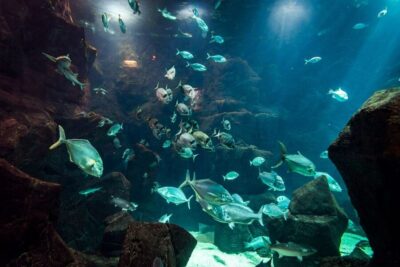
Diving with Sharks and Rays in Madeira Aquarium
Read our review →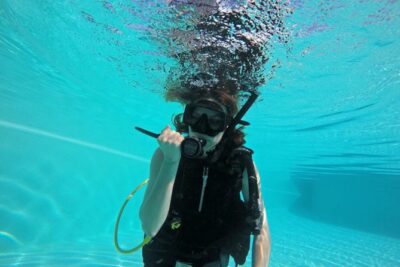
Madeira, Ponta São Lourenço: Scuba Diving for Beginners
Read our review →Browse the lists this tour appears in