Reviewed · MADEIRA
Bat Watching Madeira
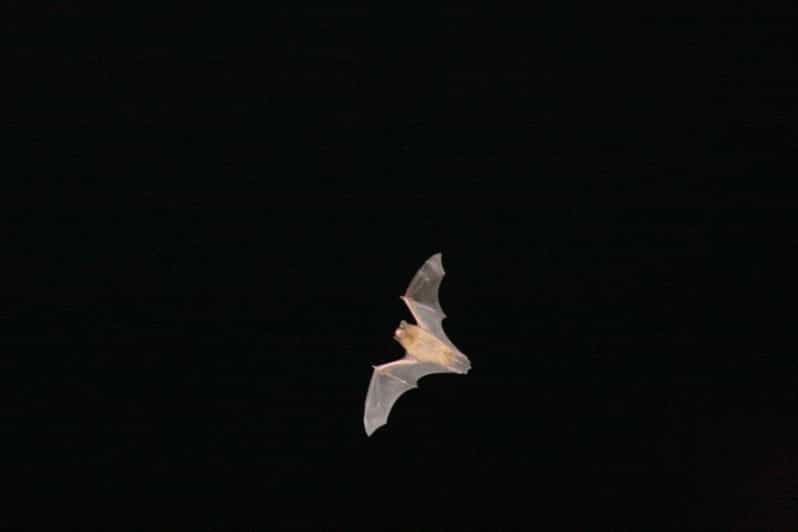
Madeira’s night sky gets a lot more interesting when you stop looking for stars and start listening for ultrasound bat calls. This is one of the few experiences on the island built around native bats, turning a walk at night into practical field science you can actually understand.
I especially like the hands-on feel. You use bat detectors and thermal sensors, learn how different bats behave while they hunt, defend feeding spots, and socialize, and you get the kind of explanations that make the topic click fast. Also, the small group format (just up to 8 people) means more time for questions, not a mad scramble for the best angle.
One thing to consider: nature decides what you see. On a windy, humid night, one booking reported hearing bats a couple times but not spotting them clearly, so come prepared to be flexible and focused on the listening-first part of the experience.
Key Things You’ll Do
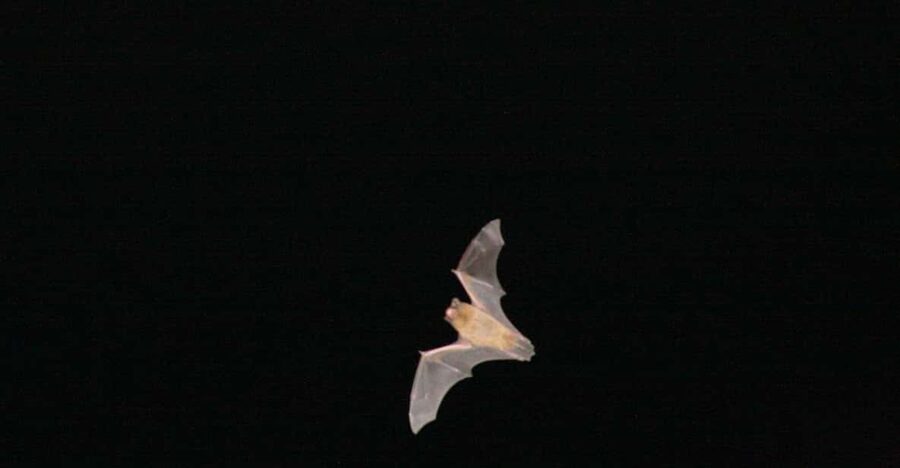
- Go full bat-scientist with ultrasound detectors, thermal viewing tools, and guided identification
- Visit multiple night locations to boost your odds of hearing and seeing bats
- Learn behavior, not just species names, including hunting, food-patch defense, and social activity
- Get local conservation context, with information designed to help protect endangered native bats
- Ask questions in English or Portuguese, with a guide who can explain the science clearly
Why Madeira’s Bat Night Feels Like Field Science
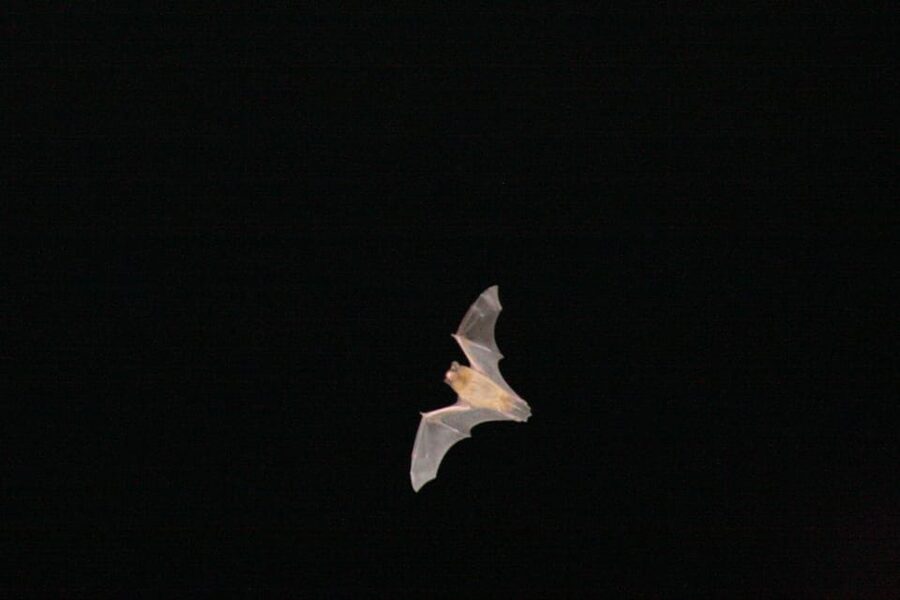
Madeira has only one native land mammal group, and it is bats. That fact alone makes this outing special, but the real magic is how the tour is built. Instead of a generic dark hike with a few facts, you’re guided toward what bats do when no one is watching them. You learn to think like a researcher: detect, observe, and interpret.
This matters because bats are hard to spot. Many species fly quickly, and they hunt in ways that do not look dramatic in the moment. Ultrasound detectors change that. They turn quiet, invisible activity into something you can follow. Add thermal cameras and you have a second way to confirm movement and presence. Even when the bats stay just out of sight, you still get the experience of reading the night like a specialist.
The tour also leans into conservation in a practical way. You’re not only learning names and facts, you’re learning behavior, habitat, and how bats support the island’s natural balance. That is what makes a conservation message feel real instead of like a poster.
Other Madeira trips worth an open tab:
- From Funchal: Ecological Catamaran Dolphin Whale Watching
★ 4.5 · 5,771 reviews - Madeira: Skywalk, Porto Moniz, Seixal, and Fanal 4WD Tour
★ 4.9 · 5,732 reviews - Funchal: Dolphin and Whale Watching Catamaran Cruise
★ 4.5 · 5,697 reviews
Meeting Your Guides and Getting Ready for the Night
The tour is led by a naturalist guide from Madeira Fauna & Flora. One verified booking highlighted Sergio as a bat specialist and a professor who is also involved in conservation programs. That combination tends to produce the best kind of teaching: clear science, lots of context, and patient answers when your questions get specific.
You’ll be in a small group, limited to 8 participants. That size helps in two ways. First, the guide can keep an eye on everyone’s equipment and technique. Second, you get a better chance to ask why a call sounds different, or what a certain flight pattern might mean.
Timing is a big part of making a bat tour enjoyable. You’ll be out for about 3 hours at night, and it can get uncomfortable fast if you underpack. Bring comfortable shoes and warm clothing. Even if the hot beverage is included, at least one booking noted that the hot drink was not provided on their evening, so I’d still plan on being cold-proof. You’re also not allowed alcohol or drugs, so it is a clear-headed, nature-focused night.
If you are visiting with kids, this tour can work very well. One family booking included children ages 7 and 9, and they loved the mix of science plus the thrill of spotting something real at night. The tone is educational, but it does not feel like school, and the guide can usually steer the explanation to the group.
The Tools: Ultrasound Detectors and Thermal Cameras
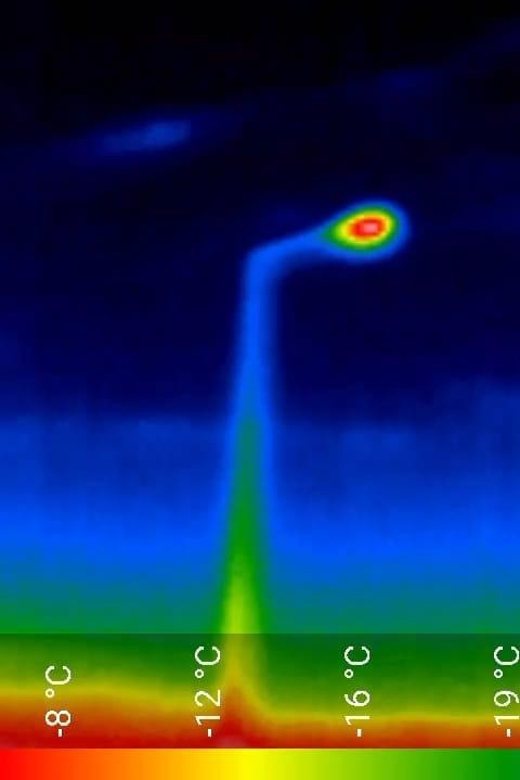
This is where the tour earns its title. You’re given observation materials, and you learn how to use them. Ultrasound bat detectors are tuned for the frequencies bats use. When bats pass nearby, the detector translates ultrasound into something humans can detect. That means you can start understanding activity even before you see a bat.
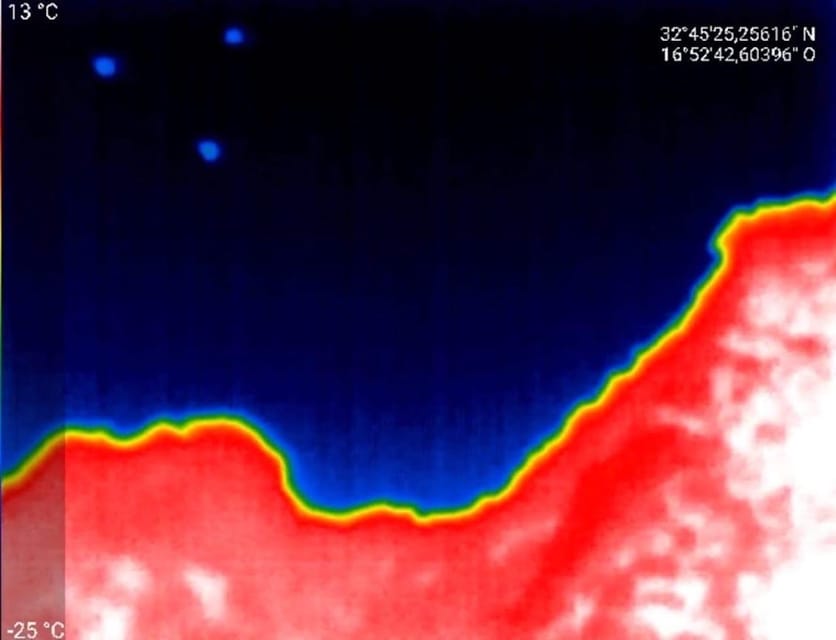
The tour also aims to use thermal sensors and thermal cameras. Thermal viewing is helpful because bats are small, dark, and fast. Heat signatures can make their movement easier to pick out, especially when visibility is low.
Here’s the practical catch. One verified booking reported hearing bats through the ultrasound receivers but said there was no thermal camera used that night, and they also noted the hot beverage was missing. That does not mean the tour never uses thermal tools. It does mean you should treat thermal viewing as part of the experience goal, not a guarantee every single night.
If you want to get the most out of the tools, keep your expectations rooted in process. Focus on hearing first. Then, when motion appears, use thermal viewing as a bonus confirmation rather than the sole reason you came.
You’ll also receive images and information about the species. That support is important. Without a quick reference, it is easy to leave with only the excitement of ultrasound sounds. With the guide’s species info, those sounds start turning into real understanding, like where bats live and what they eat.
How the Night Unfolds Across Multiple Stop Locations
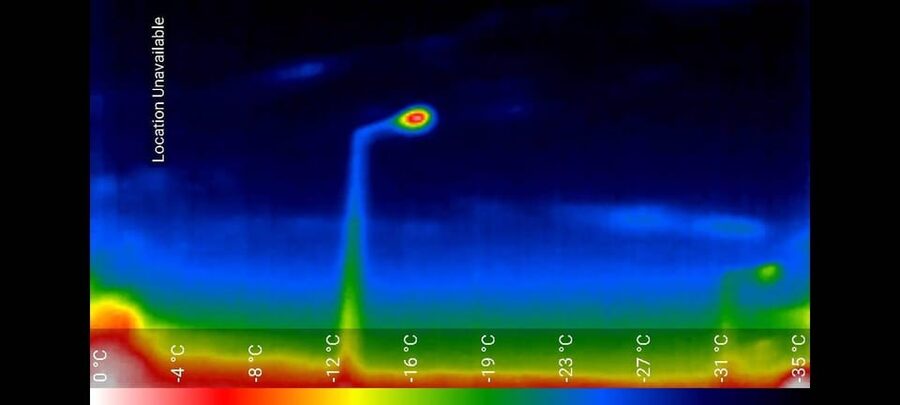
One booking noted they visited 3 or 4 locations during the outing. That approach is smart. Bats do not behave like birds that stick to a predictable route. They hunt and move based on insect activity and territory, and different spots can produce different results.
At each stop, you can expect a similar rhythm:
- The guide sets the scene and explains what you should focus on.
- You listen using the ultrasound detector.
- You scan for movement and, when available, use thermal viewing to help spot bats.
What makes this valuable is that you learn how to read the night in layers. Listening gives you timing and location cues. Visual scanning adds confirmation. The guide also connects what you detect to bat behavior: hunting activity, defense of food patches, and social behavior.
That last part is worth appreciating. Many people only think of bats as lone hunters. But bats can be territorial around feeding areas and can interact with each other. When the guide explains that in plain language, the night stops feeling random. You start seeing a pattern.
A real-world consideration showed up in one booking. They reported no bat sightings because the night was unpleasant, with wind and humidity. Even with detectors, weather affects the experience. Wind can make it harder to interpret sound, and rain or mist can reduce contrast for visual or thermal viewing. If the weather looks rough, dress for it and stay calm when the night is quieter than you hoped.
Same island, a different kind of day:
- Funchal: Enchanted Terraces, Porto do Moniz & Fanal 4WD Tour
★ 4.8 · 4,930 reviews - From Funchal: Best of Madeira’s West Tour
★ 4.7 · 3,463 reviews - Madeira: Best of the East Tour from Funchal
★ 4.7 · 3,364 reviews - Funchal: Old Town Walking Tour
★ 4.7 · 3,233 reviews
What You Learn About Madeira’s Bats (Beyond Sounds)
This tour is not only about detecting bats, it is about understanding them. The species-focused info you get during the tour helps you translate what you hear and see. One booking described learning about different types, where they live, and what they eat. Another booking praised the guides for explaining well and answering all questions.
That matters for your take-home value. A bat detector is fun, but knowledge is what makes it unforgettable later. With this tour, you can connect:
- the different types of calls you hear,
- how bats use specific habitats,
- and why their feeding behavior matters for island ecology.
You also learn that bats are endangered species, and the tour frames your participation as part of conservation. You are not doing lab work, but you are contributing to awareness and learning the science that supports protection.
If you are the kind of person who likes your “why” questions answered, this is the right kind of night activity. One strong theme in the feedback was that the guide team could handle questions and keep explanations grounded in reality, not vague mythology.
Price and Value: Is 47 Dollars Worth It?
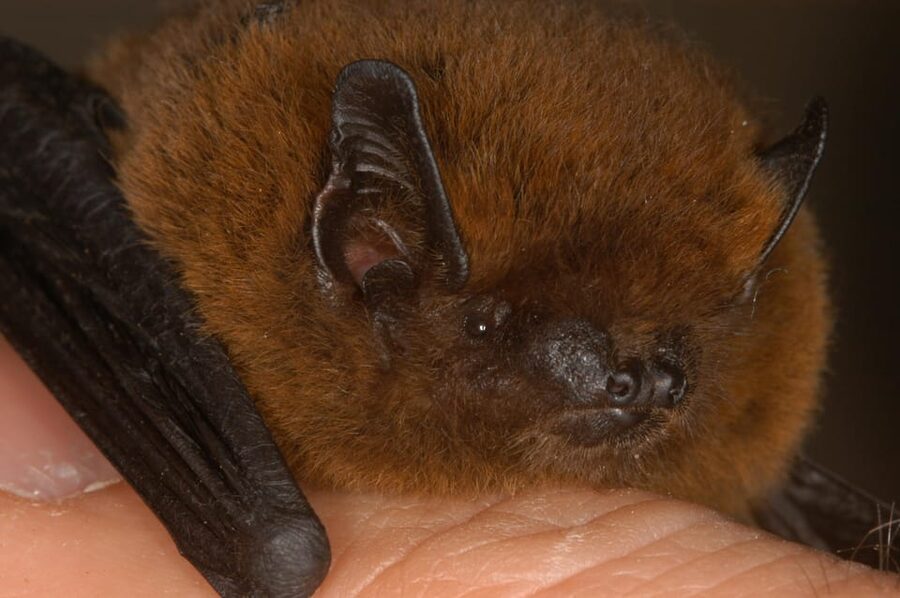
At $47 per person for a 3-hour experience, this is not a budget street snack, but it also isn’t priced like a luxury show. You’re paying for specialist guidance, equipment, and the quiet logistics of running a night science activity safely.
Here’s what you get in the value equation:
- A naturalist guide
- Observation materials (the detector and associated tools)
- Images and information about species
- A hot beverage is listed as included
- Transfers are included within Funchal area
Small group size matters in price like this. Up to 8 participants means the guide can manage equipment and keep the group together. That’s especially useful at night, where one person wandering off can change the quality of the entire session.
One booking noted missing thermal camera and hot drink, which is a reminder to keep expectations realistic. Still, the highest-rated aspect in the feedback was the educational value, the guide’s specialization, and the chance to hear and see bats across multiple locations. For me, that combination is what justifies the cost.
If you are short on time in Funchal and want something you cannot do at home, this is a strong use of an evening. A bat night tour is one of those experiences that gives you a story and actual learning, not just photos in the dark.
Who This Tour Suits Best, and Who Should Pass
This is a good fit if you:
- want a hands-on science-style evening,
- like nature that is less obvious than sea turtles and viewpoints,
- enjoy asking questions and getting clear answers,
- are traveling as a family and want educational fun.
It also suits people who do not need constant action. If you love quiet observation, this works well. Bats can be subtle, but the equipment and guide help you stay engaged.
You might want to reconsider if:
- you get miserable in wind, humidity, or late-night cold and hate dressing for it,
- you expect guaranteed sightings of bats on every stop,
- you are primarily looking for a dramatic visual show rather than a listening-first scientific session.
Even with the same equipment, nature varies. Weather can change what you see, and one booking’s experience shows that “hearing bats” can happen even when “seeing bats” is harder.
Should You Book Bat Watching Madeira?
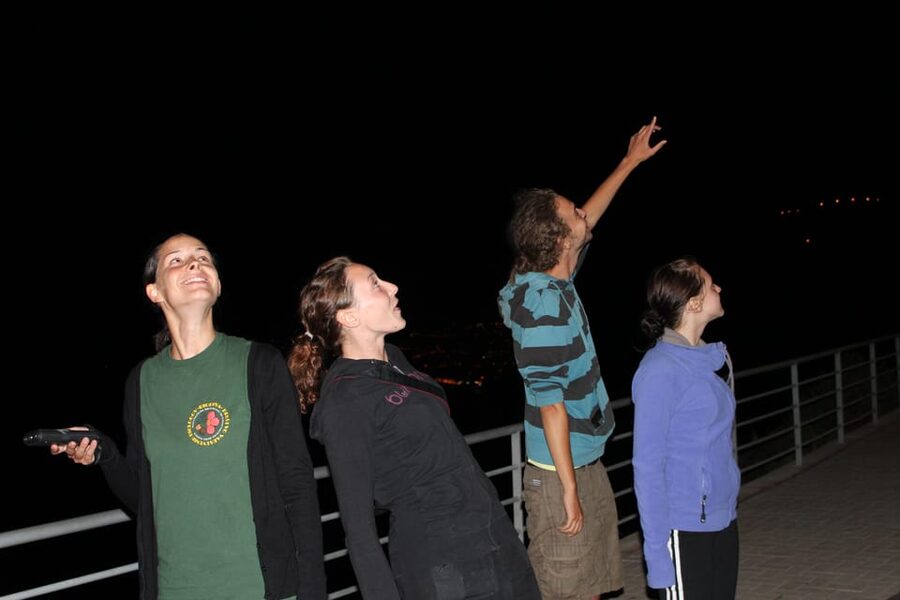
If you want an authentic, educational night activity that turns Madeira’s wildlife into something you can actually understand, I think you should book it. The strongest reason is the science teaching, especially with a guide like Sergio described as a bat specialist and professor tied to conservation programs. Add small group time, multiple night locations, and the chance to use ultrasound detectors, and you have a high-value evening.
Just go in with the right mindset: you are studying the night, not waiting for a guaranteed moment. Bring warm layers, comfortable shoes, and patience for a quieter night when conditions are rough. If you do that, you’ll likely leave with both a better sense of Madeira’s native bats and a story that feels genuinely different from the usual sightseeing circuit.
FAQ
FAQ
Where is Bat Watching Madeira located?
The tour takes place in Madeira, Portugal.
How long is the bat watching experience?
It lasts about 3 hours.
What does the tour cost?
The price listed is $47 per person.
Are there transfers included?
Transfers are included within the Funchal area. Transfers outside Funchal may require contacting the provider for possible alternative pick up locations.
What languages is the tour offered in?
The tour guide speaks English and Portuguese.
What should I bring for the tour?
Bring comfortable shoes, warm clothing, and comfortable clothes.
Is anything not allowed during the tour?
Alcohol and drugs are not allowed.
Recently added around Madeira
- Toboggan Ride & Madeira Wine Tasting Tour★ 2.8 · 4 reviews
- Surf lesson in Madeira★ 4.8 · 55 reviews
- Madeira : Surfing Experience for all★ 4.8 · 36 reviews
- Sunset Tour @ Pico Do Areiro | Half Day 4×4 Tour★ 4.7 · 3 reviews
- South Madeira: breathtaking coastal trip incl. Porto Moniz.★ 4.7 · 19 reviews
- Madeira Island: Southwest Tour★ 4.4 · 12 reviews
- Southwest Madeira: Half-Day Cabriolet Jeep Adventure★ 5.0 · 4 reviews
- Madeira: Signature Wine Tasting, Skywalk & Nature Expedition★ 4.7 · 49 reviews