Reviewed · TOURS
Funchal Agriculture Green Tour
This Madeira agriculture loop from Funchal is interesting because it connects farms to the people and tools that turn them into food and drink. I love that you get access to a private banana field, not just a photo stop. I also like that the day includes steam rum machines in Porto da Cruz, so you see the old industry gear still working. One catch: in winter, the banana tasting may not always include fully ripe fruit.
You’ll tour in a small group (max 8) with a live guide speaking English, Spanish, French, or German. The best moments tend to be hands-on and practical, like greenhouse grafting methods and farm routines you can actually understand.
Plan for real countryside walking. Bring comfortable shoes and a jacket, and note the tour is not suitable for children under 6 or wheelchair users.
Key highlights worth circling on the map
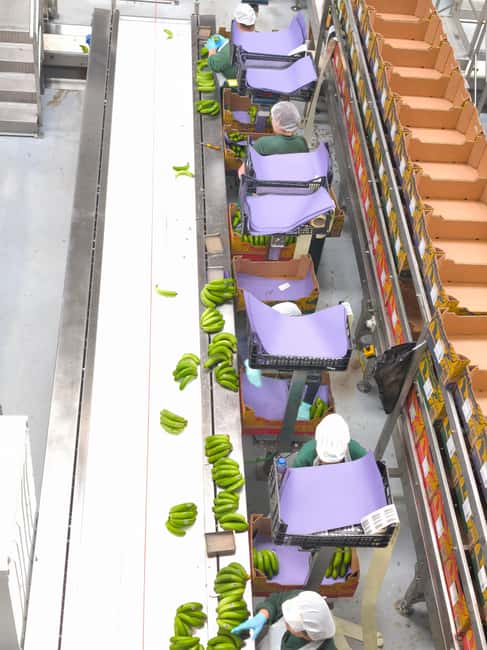
- Private banana access in and around Funchal, plus how bananas get selected and packed after harvest
- GESBA guided visit, the government banana sector operation where the process continues
- Greenhouse agriculture school tour, including grafting methods and fruit season tasting when available
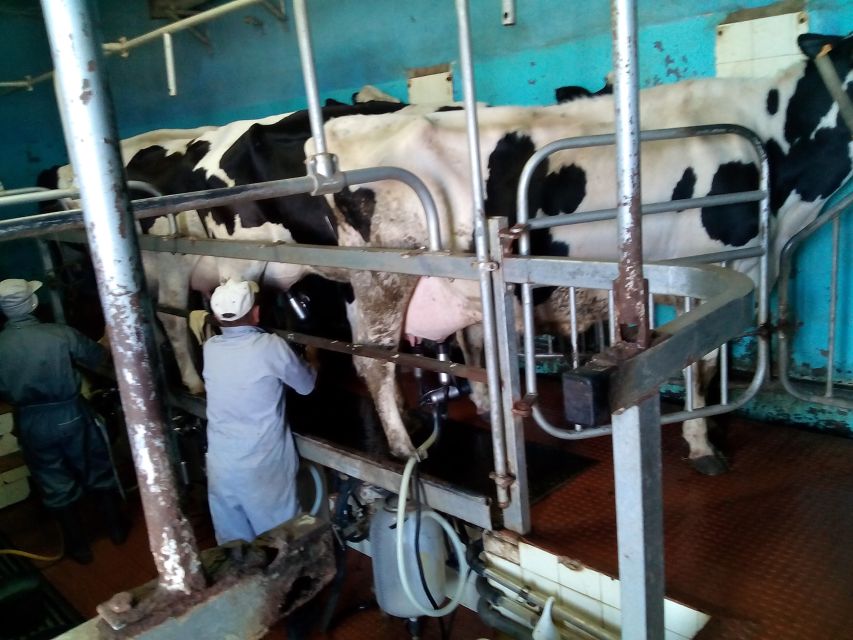
- Cattle farm with deep family history, tied to milk and requeijão cheese production
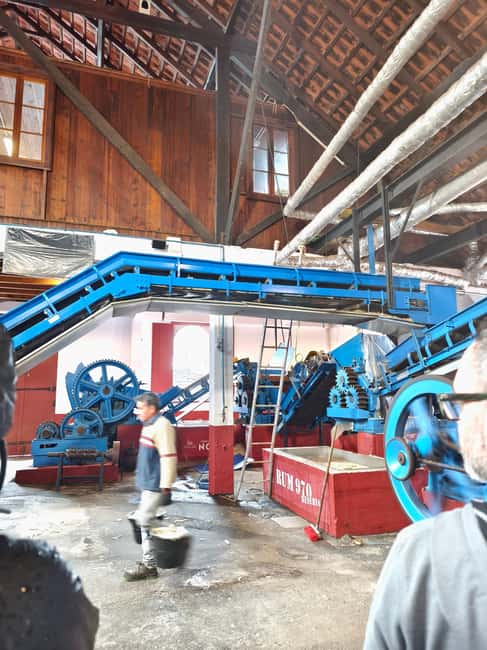
- Porto da Cruz rum factory with steam machines, which run during sugarcane season (April to May)
- Country lunch that feels local, with tapas, a main choice of fish or meat, dessert, and drinks plus coffee included
A 6-hour Madeira agriculture day that links farms to the finished product
This isn’t a box-ticking tour where you stare at farms from a roadside. The big idea is simple: you see how Madeira’s food trades work, from growing and care to processing and serving. You’ll start in the Funchal area, travel through working countryside, and end back in town after a rum stop that gives you an unexpected wow moment.
The pacing is designed for learning without rushing you into fatigue. It’s also built around variety. You’ll go from bananas to greenhouse grafting, then to cattle farming, and finally to sugarcane and rum production. Even if agriculture isn’t your main interest, that mix keeps the day from feeling repetitive.
Other Funchal trips worth an open tab:
- Porto Moniz, Seixal, Fanal Forest, Cliff Skywalk in Open Roof 4X4
★ 5.0 · 3,631 reviews - Funchal: Pico do Arieiro Sunrise Transfer Self-guided Hike
★ 4.9 · 2,798 reviews - Madeira Funchal:East Tour Pico Arieiro & Santana&Laurissilva
★ 4.9 · 1,994 reviews
Pickup, timing, and how the small-group format actually helps
This is a small-group tour capped at 8 people. That matters more than it sounds. With fewer people, the guide can slow down when someone asks about grafting, farming routines, or why certain crops are managed a specific way.
Pickup is included for hotels in Caniço and Funchal. The tour also lists pickup options in Santa Cruz and Caniço, plus Garajau. If you’re staying outside those areas, you may need to meet at the main road near the Hotel Madeira Panoramico parking, which is free.
A few practical points before you go:
- You should wait in the hotel lobby about 10 minutes before pickup.
- Delays can happen, and the info says traffic, accidents, or road works can push things back by up to about 15 minutes.
- You may get pickup time adjustments by email or WhatsApp, so double-check your messages the day before.
For a day like this, you’ll be happiest if you wear shoes you trust. Dirt and uneven ground are part of the experience when you’re visiting active farmland.
Private banana field in Funchal: seeing how care becomes quality
One of the main reasons this tour works is the access level. You’re not just looking at a banana plantation from a distance. You visit a private banana field and learn what the farmers actually do to care for the land and the crop. It’s a direct look at the trade.
You’ll then continue to a more “system” side of banana production through the government-run banana sector operation, GESBA (Empresa de Gestão do Sector da Banana, Lda.). This part is a useful counterpoint. One stop shows the work of growing. The other shows what happens after picking, where bananas move through selection and packing.
Banana tasting, and the winter reality
At the end, there’s banana tasting. Keep expectations flexible. The tour info specifically notes that in winter you don’t always have ripe bananas. That means the tasting may feel more about the variety and process than a sweet, dessert-like fruit moment. If you’re visiting in summer or early fall, you’ll likely have a better chance of sweeter fruit, but the winter note is real and worth knowing upfront.
Same island, a different kind of day:
- Madeira Dolphin and Whale Watching on a Ecological Catamaran
★ 4.5 · 1,957 reviews - VipDolphins Luxury Whale Watching
★ 5.0 · 1,709 reviews - From Funchal: Transfer to Pico do Arieiro & Pico Ruivo Trail
★ 4.9 · 1,591 reviews - Whale and Dolphin Watching Tour in Madeira
★ 5.0 · 1,192 reviews
GESBA banana sector visit: the part many people never see
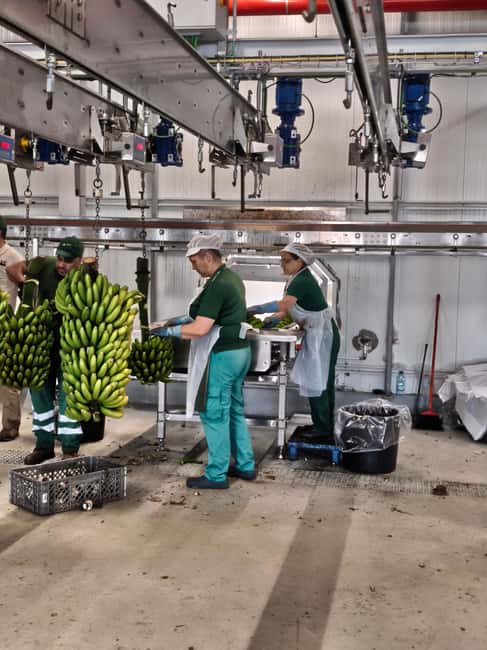
The GESBA segment runs about 45 minutes and is guided. This is the place where you can connect the dots between farm work and the business side of export quality.
What I like about this stop is that it turns bananas from a product into a workflow. You get to see how bananas are handled once picked, including the idea of selection and packing. That matters on an island like Madeira where agriculture isn’t just a hobby. It’s tied to how food gets sold, shipped, and sustained.
Even if you only catch a few terms the guide uses, you’ll walk away with a clearer sense of why certain steps matter. It’s the kind of understanding that makes the farm stops feel more meaningful.
Agriculture School and greenhouse grafting: the practical farming magic
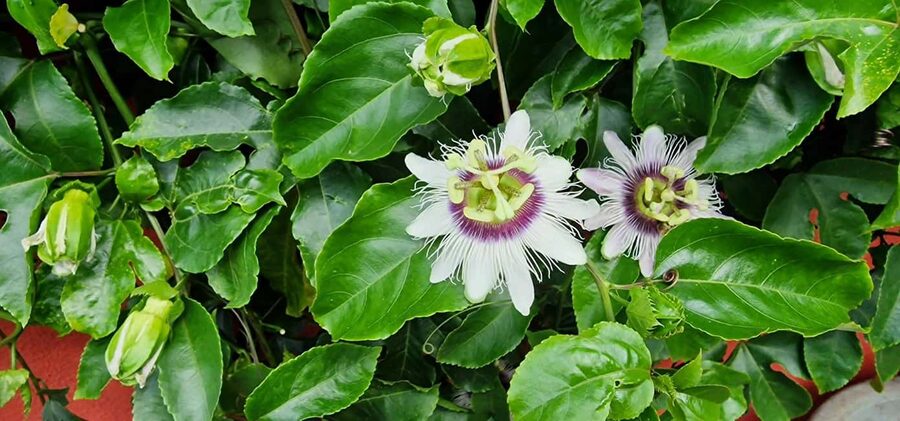
Next up is the private agriculture school, where farmers come to buy trees to plant. That alone is a telling detail. It shows the island’s agriculture is ongoing and managed like a living system, not a one-time heritage show.
This is also where grafting comes in. You tour the school area, including international trees planted many years ago, alongside local trees like avocado and lemon. When fruit is in season, tasting is offered.
Why grafting is worth paying attention to
Grafting sounds technical until you understand the purpose. On small islands with specific climate and soil conditions, getting the right combination of rootstock and fruit tree can affect yields and resilience. The tour info is clear that you’ll learn about grafting methods used on the island, which gives you a concrete framework for what you see later in the day.
If you enjoy food knowledge that goes beyond taste, this greenhouse stop is one of the highest-value parts. It takes agriculture and gives it a human explanation.
North-side farm views and the calm work of farmers
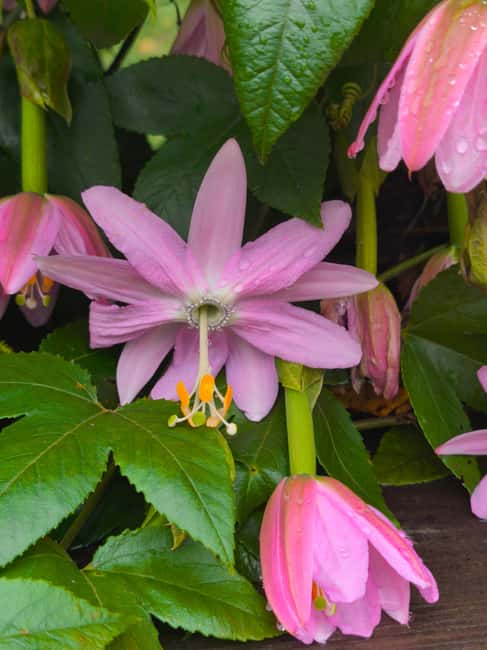
After the banana and school segments, you spend time driving into the northern part of the island. The day shifts from “here is the farm” into “here’s what countryside production looks like when it keeps happening.”
You’ll see many farms and farmers working. This isn’t a dramatic theme park view. It’s more like a live classroom outside the window, where you notice patterns. You can pick up how fields are arranged, how work continues through the day, and how different farming practices fit the terrain.
This part also gives your legs a break if the earlier farm stops were a bit active. It’s still part of the learning, but in a calmer way.
Cattle farm tour near Caniço: milk routines and requeijão cheese context
Then the day turns toward animals at a private cattle farm with a long history. This is another private visit, and it includes an on-site guided look, about 40 minutes.
The key detail here is the connection to requeijão cheese. The tour info notes the family has been in this trade for over a hundred years, and they provide most of the milk used for making requeijão. You’ll also see old milking techniques.
That’s the real value: it’s not just cute cows and a quick photo. It’s production knowledge. Seeing how milk is handled and learned over generations gives the cheese story a backbone.
If you love food origins, this stop often lands as a highlight because it makes an ingredient you know from Portuguese cooking feel concrete and local.
Country lunch in Madeira style: what you actually get
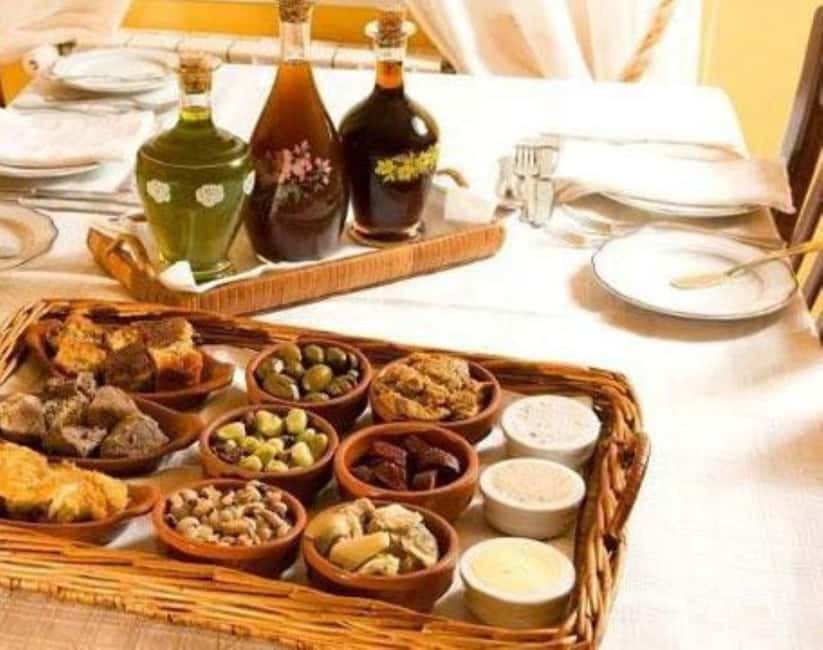
Lunch is served in a cozy countryside rural area of Madeira. It’s designed like a home meal, not a tourist cafeteria.
Here’s what’s included:
- Fresh baked home bread
- Tapas with local food
- Main meal choice of fish or meat
- Fresh vegetables
- Homemade desserts
- Drinks included with the meal
- Coffee
You’ll also spend about an hour at the lunch stop. This is one of those moments where the tour stops being “education only” and becomes enjoyable. The food is the decompression point, and it helps you recover before the final Porto da Cruz visit.
One practical thought: you’ll be in the car again after lunch, so it helps to take it easy with the pace of eating, not charge through like you’re trying to beat the clock.
Porto da Cruz rum factory with steam machines: old tech, real timing
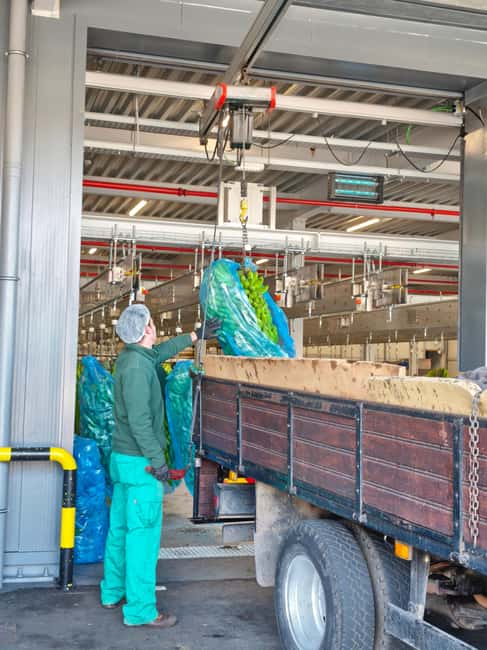
The final major production stop is Porto da Cruz for a rum visit. You’ll see very old rum factory equipment, including steam machines that are still in use.
The tour info is specific about timing: during sugarcane season, April to May, the machines operate. If you travel outside that window, you may not get the same running-machine moment, but you can still expect the historic machinery and the production story.
A smart ending choice
Why is this a great closer to the day? Because by this point you’ve already seen:
- how bananas are grown and processed
- how tree varieties are planned through grafting
- how milk production connects to cheese
Then rum adds the final piece: how sugarcane becomes alcohol using equipment that shaped the industry. It turns your agriculture education into a full circle of island production.
Talho do Caniço and extra guided farm time
The day also includes a guided tour segment tied to Talho do Caniço, about 40 minutes. Since it’s listed as a guided visit and the tour includes a cattle farm entrance, it fits naturally into the animal and farming storyline.
The takeaway for you is that the day isn’t built on just one “main” farm stop. There are multiple guided moments, so you get repetition with different angles, instead of one quick pass.
What to bring, and what to expect from the walking
This tour lives in the countryside, even if you spend plenty of time in the vehicle. Bring:
- Comfortable shoes you can walk on uneven ground with
- A jacket or warm layer, since the info specifically recommends warm clothing
Also keep in mind:
- The tour won’t run on bank holidays, Christmas Day, or January 1
- It’s not suitable for wheelchair users
- Children under 6 are not suitable
If you match your outfit to farm visits, you’ll enjoy this more. If you show up in delicate sneakers or thin clothes, you’ll spend the day thinking about your feet instead of the farming.
Value and price: is $100 per person a fair deal?
At $100 per person for a 6-hour day, you’re paying for several things that add real value:
- Hotel pickup and drop-off in the included areas
- Multiple guided visits with entrances (banana farm, agriculture school, cow farm)
- A government banana sector visit (GESBA)
- A full lunch with drinks and coffee, plus desserts
- Rum tasting at Porto da Cruz
- A small group size capped at 8, which tends to make guides more responsive
If your priority is a quick scenic drive, this might feel too “busy.” But if you want a day that explains island food production and includes actual meals and multiple specialist stops, it’s priced like an experience, not just transportation.
In short, you get more than one farm story. You get the chain.
Who should book this tour, and who might not love it
This tour is a strong fit if you:
- enjoy food origins and production stories
- like animals and practical agriculture details
- want a small-group day with guided context
- are happy to spend a good chunk of time traveling between stops around Madeira
It may be less ideal if you:
- want a slow, purely relaxing half-day with minimal movement
- are traveling with very young kids under 6
- need wheelchair-friendly access
The winter banana note is the other consideration. If you’re visiting in colder months and you’re hoping for very ripe, sweet banana tasting, the tour info says that won’t be guaranteed.
Should you book the Funchal Agriculture Green Tour?
If you want a Madeira day that feels grounded in how the island produces what you eat, this is a great choice. The private banana farm access, the greenhouse grafting education, the cattle farm connection to requeijão cheese, and the Porto da Cruz steam rum stop make it a well-rounded agriculture-focused outing.
I’d book it when you want more than sightseeing. You’ll come away with specific knowledge, and you’ll also eat well in the countryside.
If you prefer beaches or viewpoints as your main activity, this might feel like a different kind of day. But if food and farms are your thing, this one is built for exactly that.
FAQ
How long is the Funchal Agriculture Green Tour?
The tour lasts 6 hours.
What does the tour cost?
It costs $100 per person.
What is included in lunch?
Lunch includes tapas, a main meal choice of fish or meat, fresh vegetables, homemade desserts, plus drinks and coffee.
Do I get hotel pickup and drop-off?
Yes. Hotel pickup and drop-off are included for hotels in Caniço and Funchal, and pickup options are also listed for Santa Cruz and Garajau. Other areas may require meeting the guide at the main road near the Hotel Madeira Panoramico parking.
Does the tour include banana visits and tasting?
Yes. You visit a private banana field and then visit GESBA, and there is banana tasting at the end. In winter, ripe bananas are not always available.
What happens at the agriculture school stop?
You visit a private agriculture school and learn about grafting methods. You can also see international trees and local trees like avocado and lemon, with fruit tasting offered when fruits are in season.
Is there a cattle farm visit?
Yes. You visit a private cattle farm with a long family history and see old milking techniques. The visit is guided.
What about the rum factory in Porto da Cruz?
You visit one of Madeira’s oldest rum factories and see steam machines still in use. The info notes the machines operate during sugarcane season, April to May.
What languages are available for the guide?
The live tour guide speaks Spanish, English, French, and German.
Recently added around Funchal
- The ultimate tour (2 days)★ 4.5 · 4 reviews
- The Lakes Walk★ 5.0 · 13 reviews
- Enchanting North – Full Day- Shared Tour★ 5.0 · 10 reviews
- The Espetada Evening Food and Cultural Tour★ 5.0 · 5 reviews
- The Fantastic Cascades★ 4.5 · 13 reviews
- traditional Farmers Market Open 4X4 Half Day Tour★ 5.0 · 10 reviews
- Sunset Tour @ Pico Do Areiro | Half Day 4×4 Tour★ 5.0 · 36 reviews
- Stairway to Heaven Pico do Areeiro in Madeira Island★ 5.0 · 4 reviews
Tours, compared.

Skywalk, Porto Moniz, Seixal, and Fanal 4WD Tour
Read our review →
Enchanted Terraces, Porto do Moniz & Fanal 4WD Tour
Read our review →

West Madeira Waterfalls and Fanal Forest Tour
Read our review →
All Inclusive Whale and Dolphin Watching Luxury Tour
Read our review →